Discover the Atlas Mountains Morocco with our comprehensive guide. Learn about hiking, skiing, cultural experiences, and travel tips for an unforgettable adventure in this stunning mountain range.
The Atlas Mountains Morocco, stretching majestically across Morocco, Algeria, and Tunisia, represent one of North Africa’s most breathtaking and diverse mountain ranges. Spanning approximately 2,500 kilometers (1,550 miles), the Atlas Mountains are a natural marvel, divided into three distinct ranges: the High Atlas, the Middle Atlas, and the Anti-Atlas. The High Atlas, home to Mount Toubkal—the highest peak in Morocco at 4,167 meters (13,671 feet)—is renowned for its dramatic landscapes, including rugged peaks, alpine meadows, and deep valleys. This range is a haven for trekkers and adventurers seeking challenging climbs and unparalleled panoramic views. The Middle Atlas, characterized by its lush cedar forests, serene lakes, and charming towns such as Ifrane and Azrou, offers a more tranquil and picturesque escape, ideal for nature lovers and those seeking peaceful retreats. The Anti-Atlas, known for its arid terrain and ancient kasbahs, presents a stark contrast with its rugged and remote beauty, attracting those interested in exploring more secluded and historical aspects of Moroccan culture. The Atlas Mountains are also a biodiversity hotspot, home to unique flora and fauna, including the endangered Moroccan cedar and the elusive Barbary macaque. This mountain range is intricately linked with the cultural heritage of the Berber people, whose traditional villages and timeless way of life offer visitors a rich cultural experience. Whether you’re seeking exhilarating outdoor activities, serene natural beauty, or an immersive cultural journey, the Atlas Mountains provide a stunning backdrop for unforgettable adventures and exploration.
The Atlas Mountains Morocco are a majestic range that stretches across the heart of Morocco, offering some of the country’s most breathtaking landscapes and adventure opportunities. Spanning approximately 2,500 kilometers (1,550 miles) across Morocco, Algeria, and Tunisia, this stunning mountain range is divided into three main segments: the High Atlas, the Middle Atlas, and the Anti-Atlas. Each region boasts unique characteristics, from towering peaks and lush valleys to arid deserts and traditional Berber villages.
1. Geographic Splendor
The Atlas Mountains are renowned for their diverse geography:
2. Rich Biodiversity
The Atlas Mountains are a hotspot for biodiversity. The region is home to unique flora, such as the endangered Moroccan cedar, and fauna including Barbary macaques and various bird species. Nature enthusiasts can enjoy observing these species while trekking through diverse ecosystems.
3. Cultural Heritage
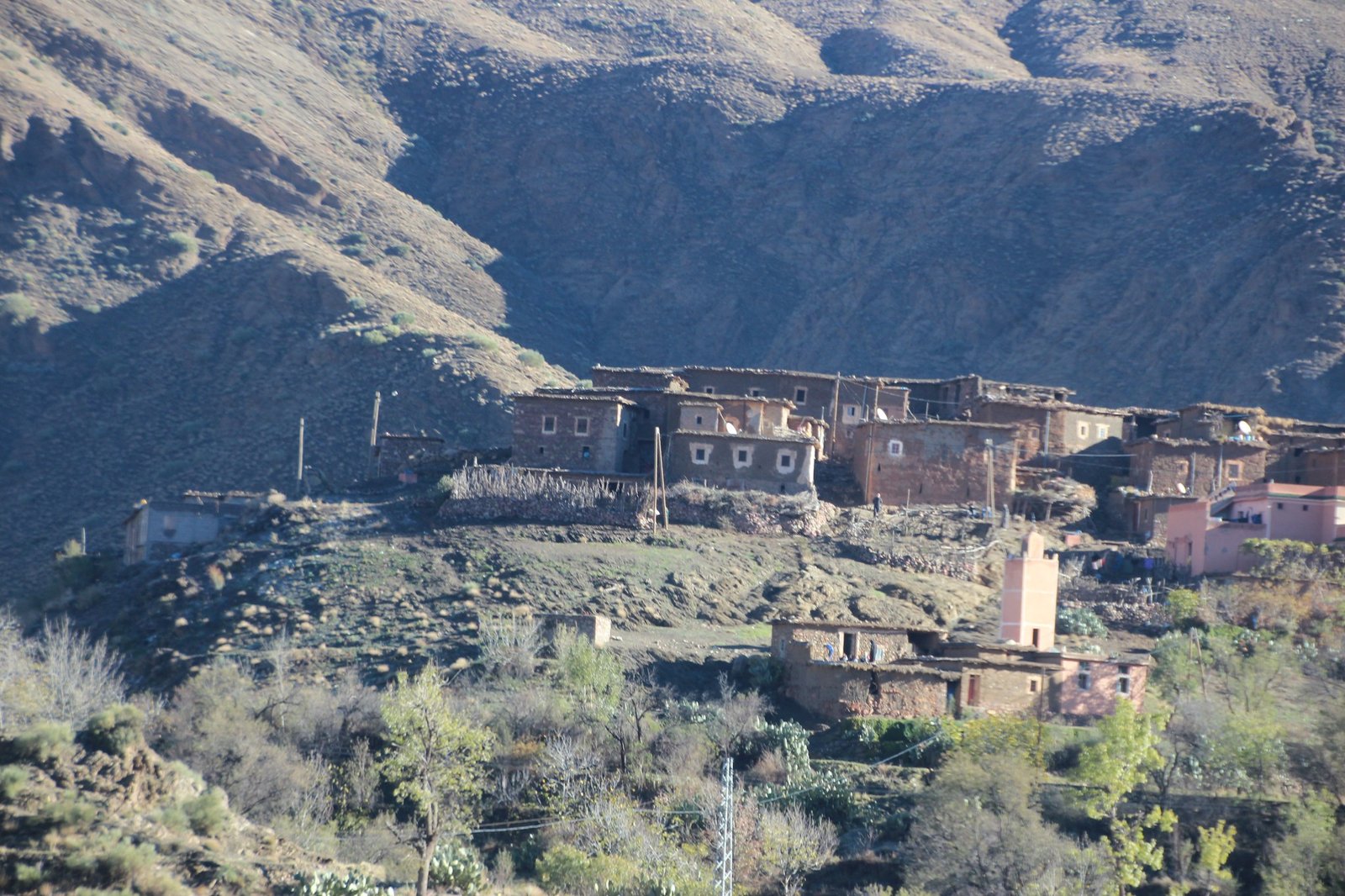
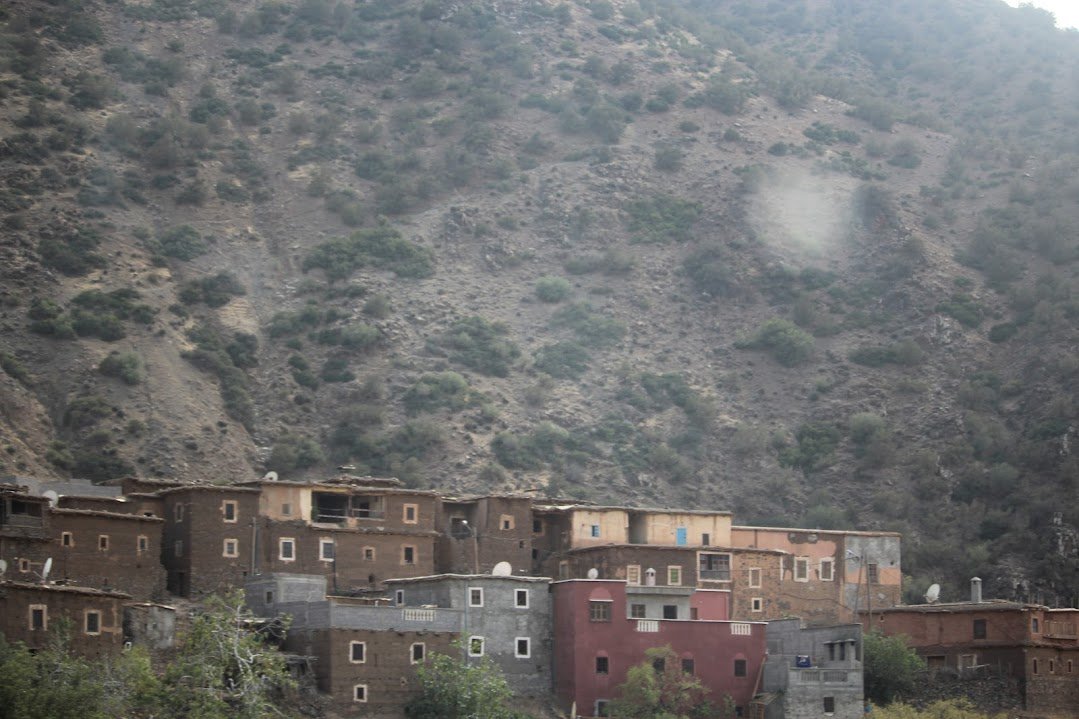
The mountains are deeply intertwined with Moroccan culture. The indigenous Berber people have lived here for centuries, preserving their traditional way of life. Visitors can explore ancient Berber villages, witness traditional crafts, and experience the rich cultural heritage of the region.
1. Hiking and Trekking
The Atlas Mountains offer exceptional hiking and trekking opportunities. The Toubkal National Park features challenging climbs and stunning views. Trails cater to all levels, from beginner walks to advanced multi-day treks.
2. Skiing and Snowboarding
In winter, the Atlas Mountains become a prime destination for skiing and snowboarding. The Oukaïmeden Ski Resort in the High Atlas is a top spot for winter sports, with slopes suitable for various skill levels and breathtaking alpine scenery.
3. Cultural Tours
Immerse yourself in the local culture with guided tours of Berber villages. These tours offer insights into traditional lifestyles, architecture, and cuisine, providing a deeper understanding of the region’s history and culture.
4. Mountain Biking
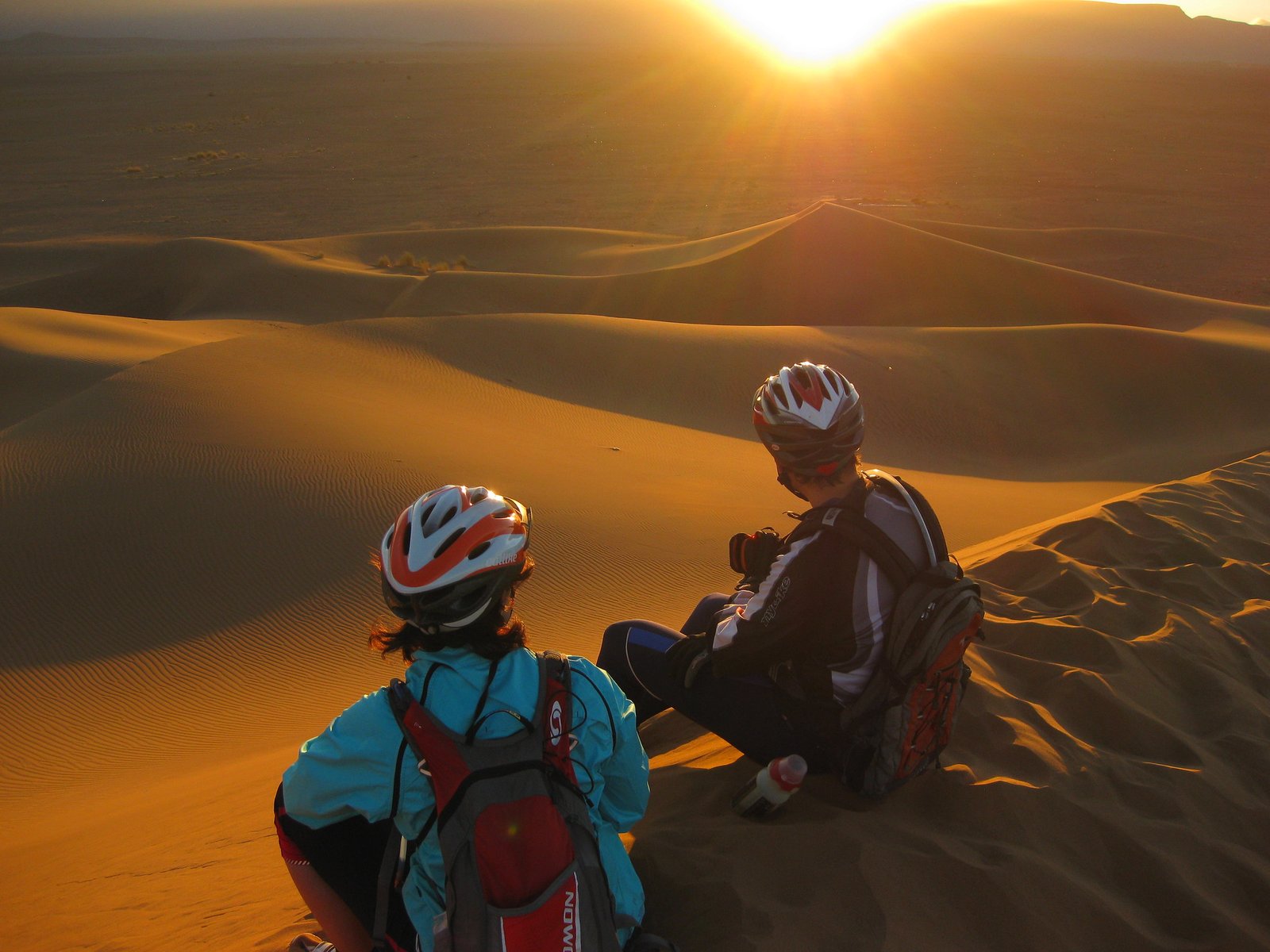
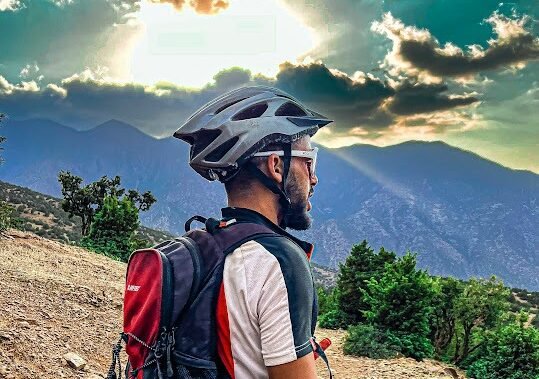
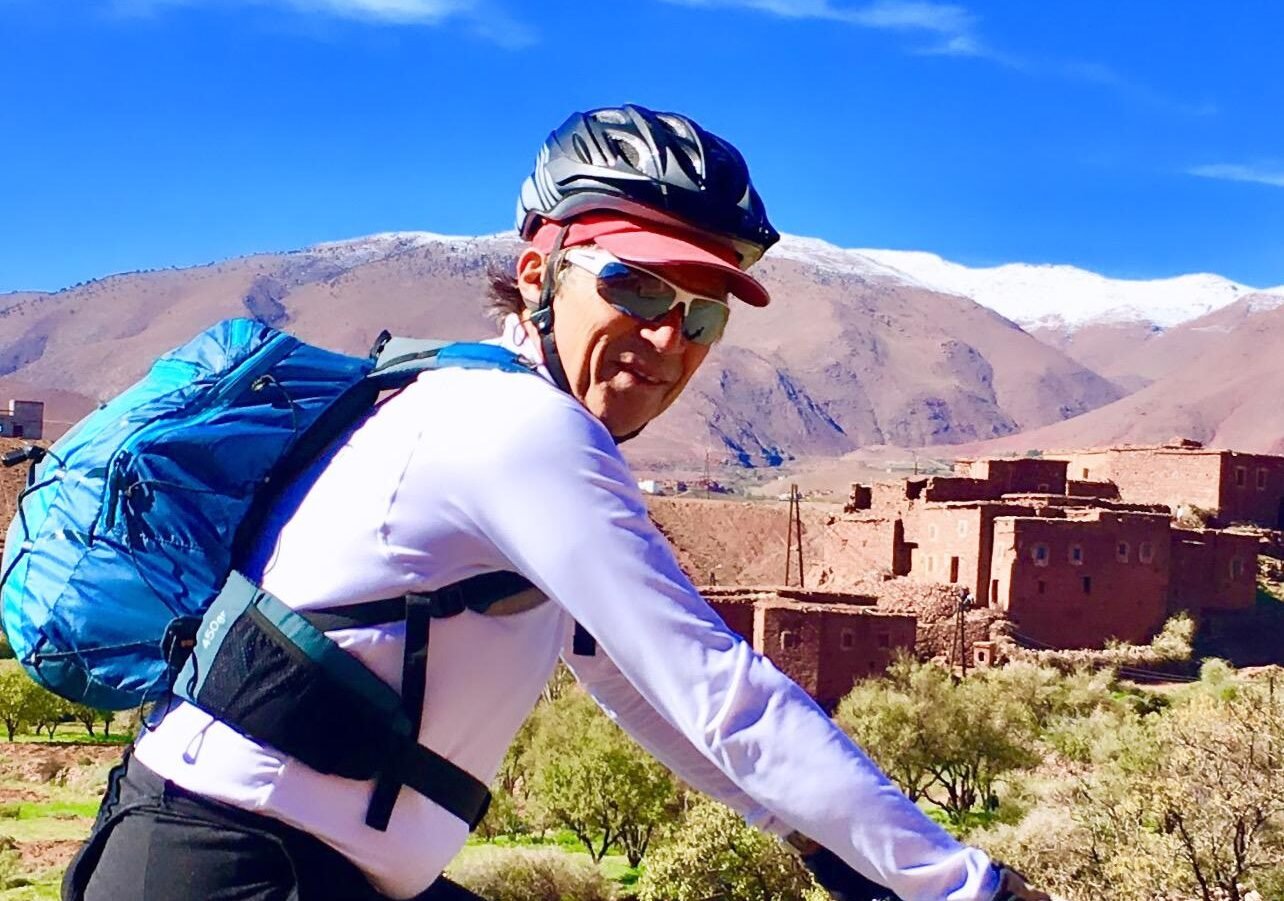
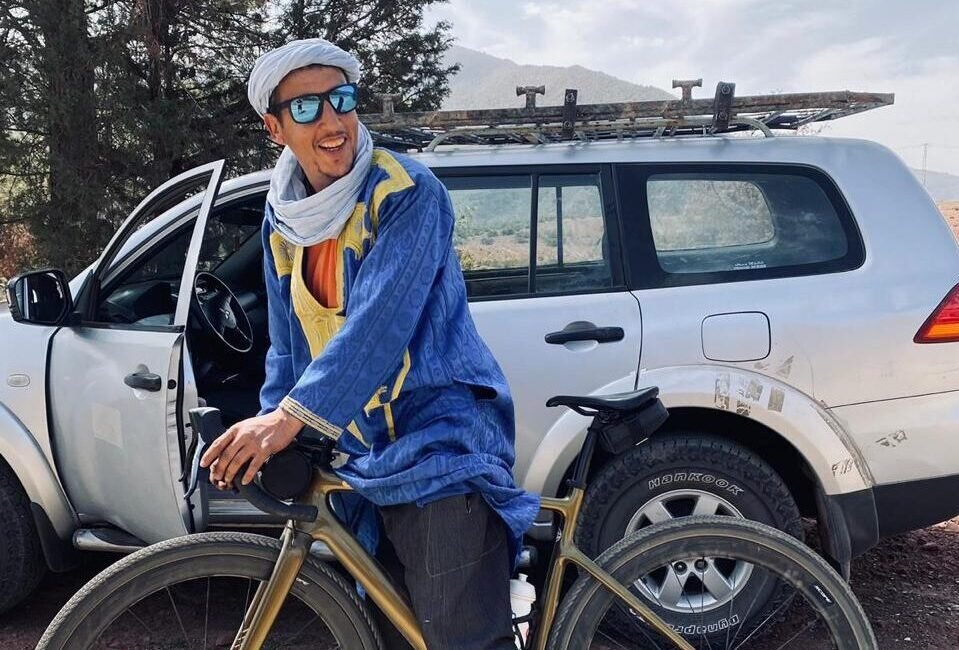
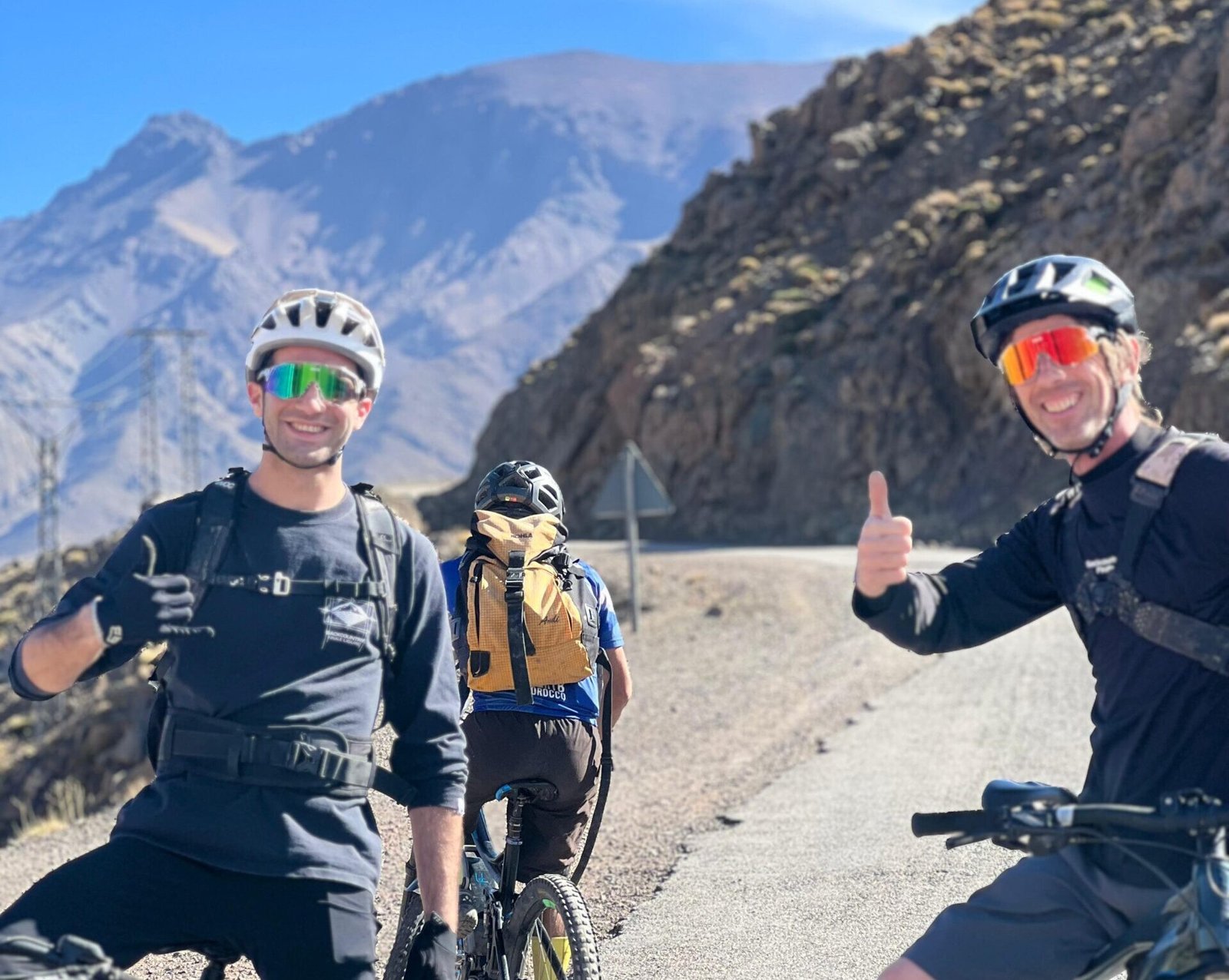
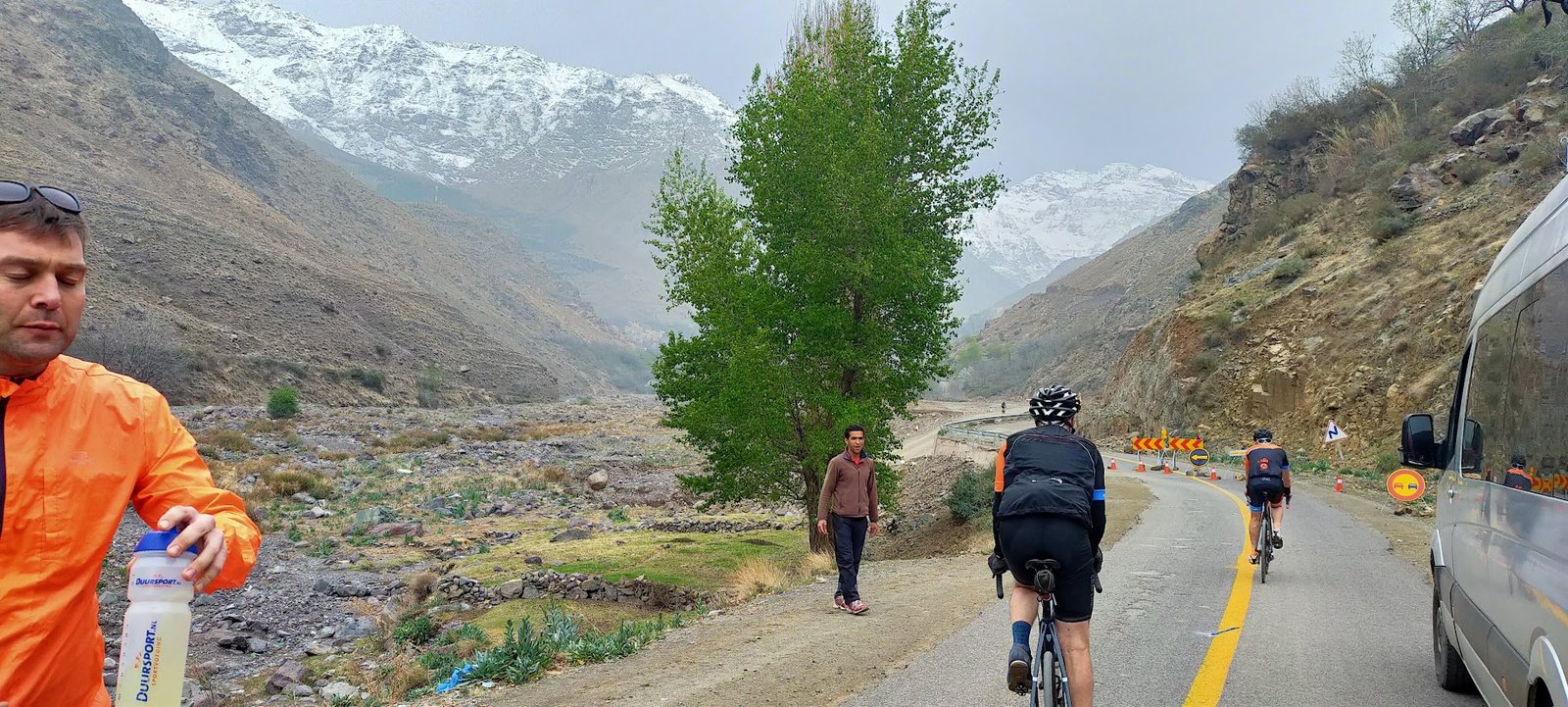
The Atlas Mountains are a fantastic location for mountain biking, offering thrilling descents and challenging trails. The diverse terrain makes it an exciting destination for biking enthusiasts of all levels.
1. Best Time to Visit
The ideal times to visit the Atlas Mountains are spring (April to June) and autumn (September to October) when the weather is pleasant and landscapes are vibrant. Winter is perfect for skiing, while summer can be hot but still suitable for high-altitude trekking.
2. What to Pack
When traveling to the Atlas Mountains, pack layers to handle varying temperatures. Essential items include sturdy hiking boots, a good backpack, sun protection, and plenty of water. For skiing, bring appropriate winter gear.
3. Accommodation Options
From traditional guesthouses and lodges in Berber villages to luxurious hotels and resorts, the Atlas Mountains offer a range of accommodation options. Booking in advance is recommended, especially during peak tourist seasons.
4. Getting There
The Atlas Mountains are accessible from major Moroccan cities like Marrakech, Fes, and Ouarzazate. The drive from Marrakech to the High Atlas takes about 1.5 to 2 hours, making it a convenient gateway to the region.