Nestled in northern Morocco, Meknes is a captivating Imperial City renowned for its rich history and architectural splendor. As the capital during the reign of Sultan Moulay Ismail, Meknes boasts impressive landmarks like the grand Bab Mansour gateway, the vast Royal Stables, and the beautifully adorned Moulay Ismail Mausoleum. The city’s UNESCO-listed medina offers a vibrant mix of traditional Moroccan architecture, bustling souks, and cultural heritage. Meknes seamlessly blends historical grandeur with a lively cultural scene, making it a must-visit destination for those exploring Morocco’s imperial past.
Meknes, one of Morocco’s illustrious Imperial Cities, is a historical treasure trove located in the heart of northern Morocco. Founded in the 11th century and later transformed into a grand capital by Sultan Moulay Ismail in the late 17th century, Meknes is renowned for its architectural splendor and rich cultural heritage. The city is a showcase of Morocco’s imperial past, with remarkable landmarks such as the majestic Bab Mansour, an intricately adorned gateway that stands as a symbol of Moroccan craftsmanship, and the impressive Royal Stables, once the largest horse stables in the world, reflecting the opulence of the Sultan’s court. Visitors can explore the vast Heri es-Souani, a complex of granaries and cisterns designed to sustain the city, and the serene Moulay Ismail Mausoleum, a beautifully decorated shrine that offers insights into Moroccan religious architecture. The UNESCO-listed Meknes Medina provides a labyrinth of historic streets, vibrant souks, and traditional Moroccan architecture, capturing the essence of the city’s historical and cultural fabric. With its unique blend of imperial grandeur and local traditions, Meknes offers an enriching journey through Morocco’s illustrious past and vibrant present.
Nestled in the heart of northern Morocco, Meknes is a city imbued with rich historical significance and architectural splendor. As one of Morocco’s renowned Imperial Cities, Meknes served as the grand capital during the reign of Sultan Moulay Ismail in the late 17th and early 18th centuries. While it may not always receive the same spotlight as its more famous counterparts, Meknes is a city of profound historical depth and cultural wealth. Its unique combination of majestic architecture, significant historical landmarks, and vibrant local culture makes it an essential destination for those looking to immerse themselves in Morocco’s imperial heritage.
The origins of Meknes date back to the 11th century when it was founded by the Almoravids as a military outpost. Over time, the city evolved significantly, particularly under the ambitious rule of Sultan Moulay Ismail. Recognizing Meknes’s strategic and symbolic importance, Moulay Ismail embarked on a series of grand projects to transform the city into a magnificent imperial capital. His vision included constructing extensive fortifications, majestic gates, and elaborate palaces, making Meknes one of the most impressive urban centres of the Moroccan Empire. Today, Meknes stands as a living testament to this opulent era, with well-preserved sites that glimpse Morocco’s imperial past.

The souks of Marrakech are world-renowned for their rich array of handmade goods. These bustling markets are a sensory feast, offering everything from intricate carpets and leatherwork to jewelry, spices, and ceramics. Wandering through the labyrinth of souks, visitors can witness skilled artisans at work, producing traditional crafts that have been passed down through generations.
Souk Semmarine is a prominent market area known for its diverse range of goods. Rahba Kedima Square, on the other hand, is famous for its herbalists and spice merchants. Exploring the souks is not merely a shopping excursion but a deep dive into the vibrant daily life of Marrakech.
1. Bab Mansour
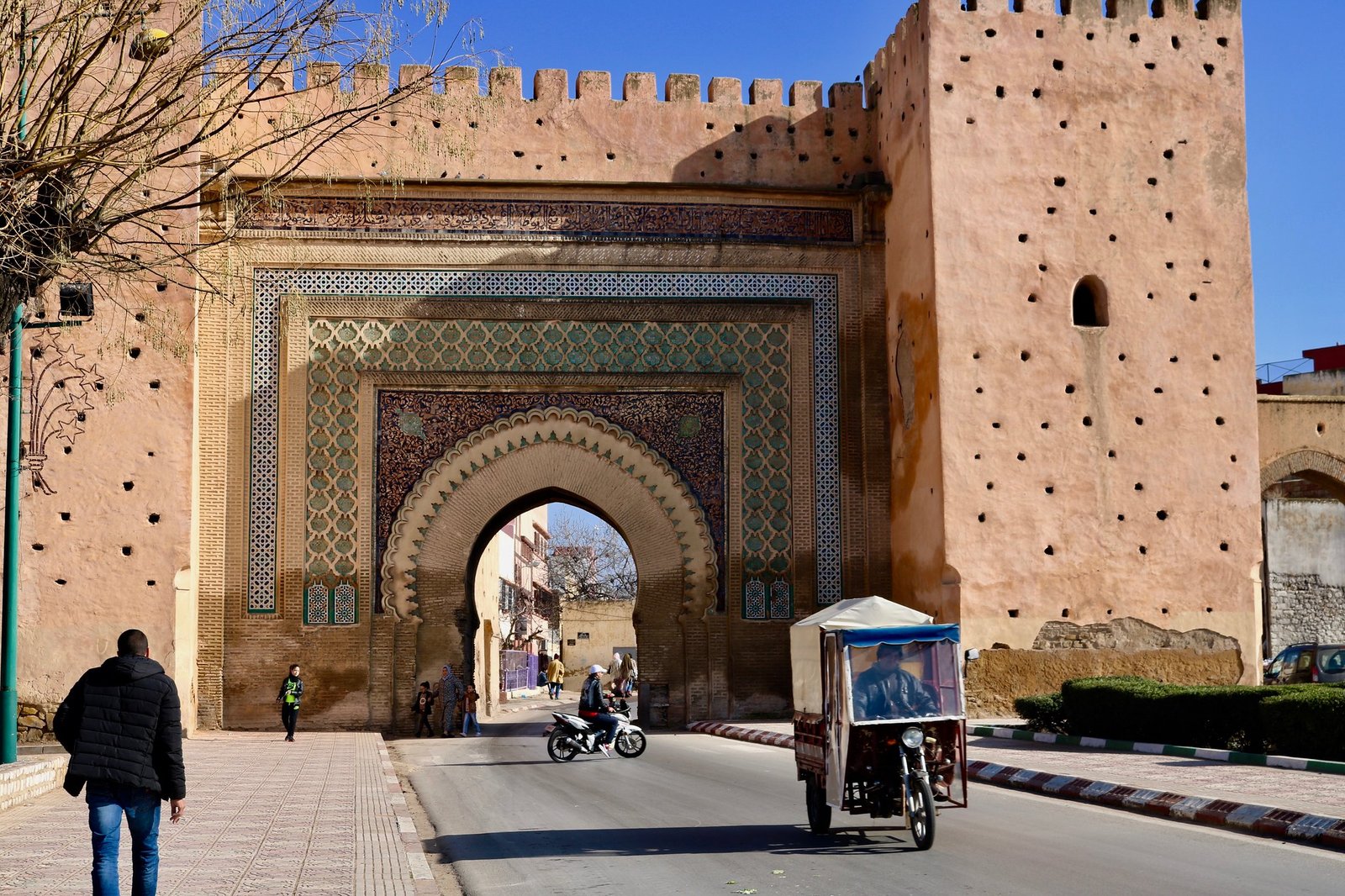
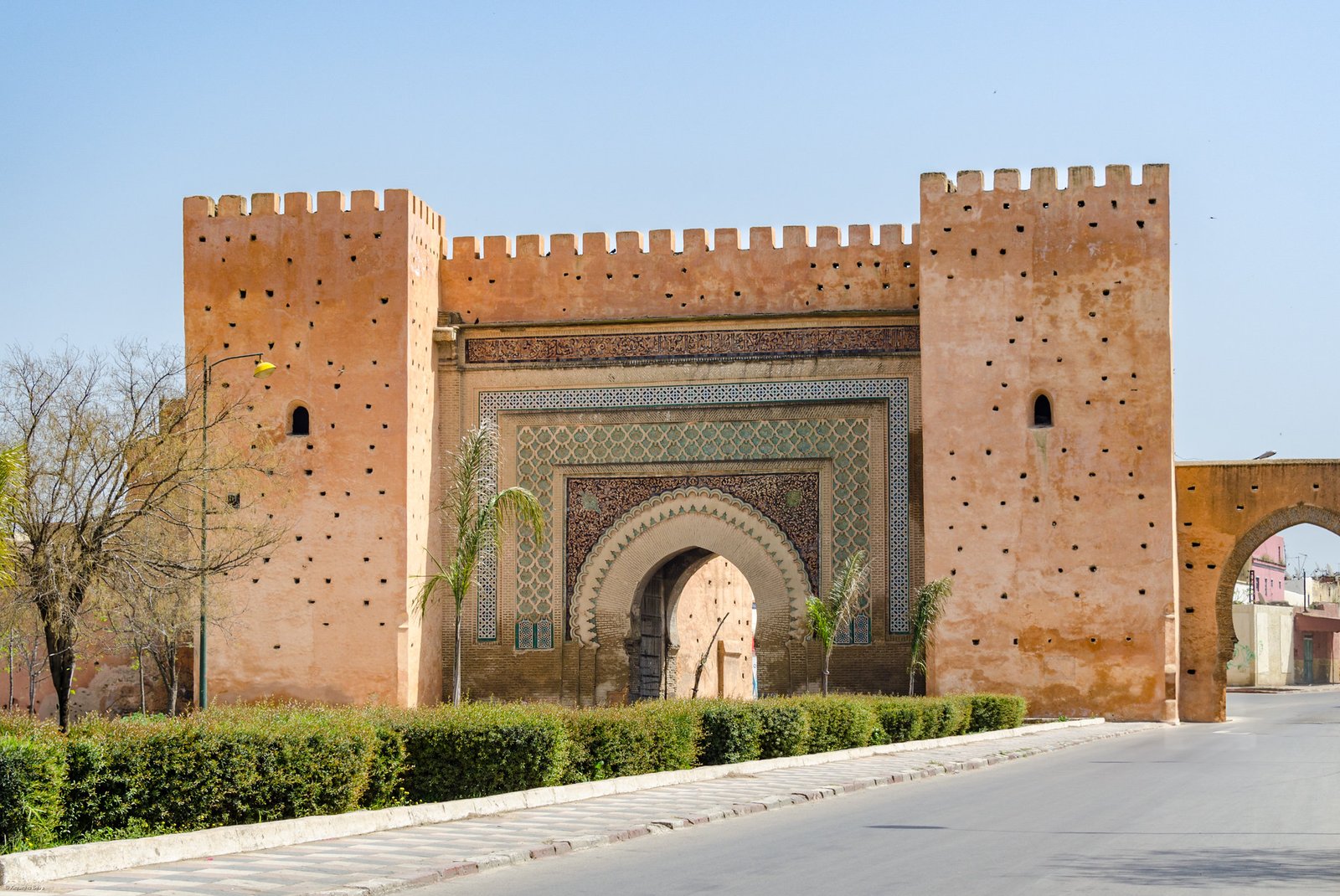
Bab Mansour is perhaps the most iconic landmark in Meknes, epitomizing the grandeur of Moroccan architecture. Constructed in the 1730s, this monumental gateway is renowned for its elaborate tilework and stucco decorations. The entrance features intricate geometric patterns and vibrant colors, reflecting the skill and artistry of Moroccan craftsmen. Bab Mansour not only serves as a historical landmark but also as a symbol of Meknes’s imperial ambition and architectural achievement.
2. Royal Stables
The Royal Stables of Meknes are an awe-inspiring remnant of Sultan Moulay Ismail’s reign. Once the largest horse stables in the world, these impressive structures were designed to accommodate up to 12,000 horses, highlighting the Sultan’s passion for horsemanship and his desire to create a majestic environment for his royal steeds. The stables are a remarkable example of 17th-century engineering and architecture, featuring vast vaulted halls and intricate design elements.
3. Heri es-Souani
Adjacent to the Royal Stables, Heri es-Souani is a sprawling complex that includes the Sultan’s granaries and a massive cistern for water storage. This site demonstrates the advanced architectural and engineering skills of the era, with its large, well-ventilated granaries designed to store food for the city and ensure its self-sufficiency. The cistern, with its impressive size and design, was crucial for maintaining water supplies during dry periods.
4. Moulay Ismail Mausoleum
The Moulay Ismail Mausoleum is a beautifully decorated shrine dedicated to Sultan Moulay Ismail, the founder of Meknes’s imperial grandeur. Featuring intricate tilework, elegant stucco details, and a serene courtyard, the mausoleum is one of the few religious sites in Morocco open to non-Muslim visitors. It offers a rare opportunity to explore the intricacies of Moroccan religious architecture and gain insight into the Sultan’s legacy.
5. Meknes Medina
The Meknes Medina is a UNESCO World Heritage site renowned for its rich history and cultural significance. The medina’s labyrinthine streets are lined with traditional Moroccan architecture, bustling souks, and vibrant marketplaces. Key highlights include the lively souk, where visitors can shop for local crafts, spices, and textiles, and the tranquil Place El Hedim, a spacious square that serves as the social and cultural heart of the medina.
1. Local Cuisine
Meknes offers a delightful culinary experience with its array of traditional Moroccan dishes. Local specialties such as tagine (a slow-cooked stew of meat and vegetables), couscous (a steamed semolina dish), and pastilla (a savory pastry with layers of meat and almonds) are must-tries. The city’s food markets and traditional restaurants provide an authentic taste of Moroccan cuisine, reflecting the rich flavors and diverse influences that characterize Moroccan food.
2. Traditional Crafts
Meknes is a center of traditional Moroccan crafts, including zellij (intricate mosaic tilework), tadelakt (decorative plasterwork), and leather goods. Visiting local workshops and souks offers an opportunity to observe artisans at work and gain an appreciation for the craftsmanship that has been passed down through generations. The city’s markets are filled with beautiful handcrafted items that make for unique souvenirs.
3. Festivals and Events
Meknes is home to a variety of festivals and cultural events throughout the year. The Moulay Ismail Festival celebrates the city’s imperial history with music, dance, and traditional performances. These events provide a vibrant showcase of Moroccan culture and heritage, offering visitors a chance to experience the lively and festive atmosphere of the city.
1. Best Time to Visit
The ideal times to visit Meknes are during the spring (March to May) and autumn (September to November), when the weather is mild and conducive to sightseeing. The summer months can be quite hot, so if you plan to visit during this period, be prepared for high temperatures and consider early morning or late afternoon explorations.
2. Getting Around
Meknes is best explored on foot, especially within the medina, where narrow streets and alleys are often inaccessible by car. Local taxis and buses are available for travel between the medina and other parts of the city. Bicycles are also a popular and eco-friendly option for getting around and exploring the city’s many attractions.
3. Accommodation
Meknes offers a range of accommodation options to suit different preferences and budgets. Traditional riads within the medina provide an authentic Moroccan experience with their distinctive architecture and personalized service. Modern hotels and guesthouses are also available for those seeking contemporary amenities and comfort.
Meknes is a city that embodies Morocco’s rich imperial legacy, offering a fascinating blend of historical grandeur, architectural beauty, and vibrant cultural experiences. As one of Morocco’s Imperial Cities, Meknes stands as a testament to the country’s regal past, with its impressive landmarks and well-preserved historical sites providing a unique opportunity to explore Morocco’s illustrious history. Whether you are marveling at the architectural splendor of Bab Mansour, exploring the Royal Stables, or wandering through the lively medina, Meknes promises an enriching and memorable journey through the heart of Moroccan heritage.